SOLO: Independence by design
One in three people across Australia and Aotearoa New Zealand are not currently in a relationship. Yet many brands continue to design products, pricing and experiences around couples and nuclear families.
The Research Agency’s latest study, SOLO, explores the experiences, attitudes and expectations of people living without a partner, uncovering the opportunities for brands to better understand and serve this often-overlooked audience.
Drawing on quantitative research with more than 2,000 people across Australia and Aotearoa New Zealand, alongside qualitative research and digital diaries, SOLO explores the realities of Solo life and challenges the assumptions shaping how brands engage with this audience.
For our final event of the year, we brought the findings to life in Tāmaki Makaurau Auckland.
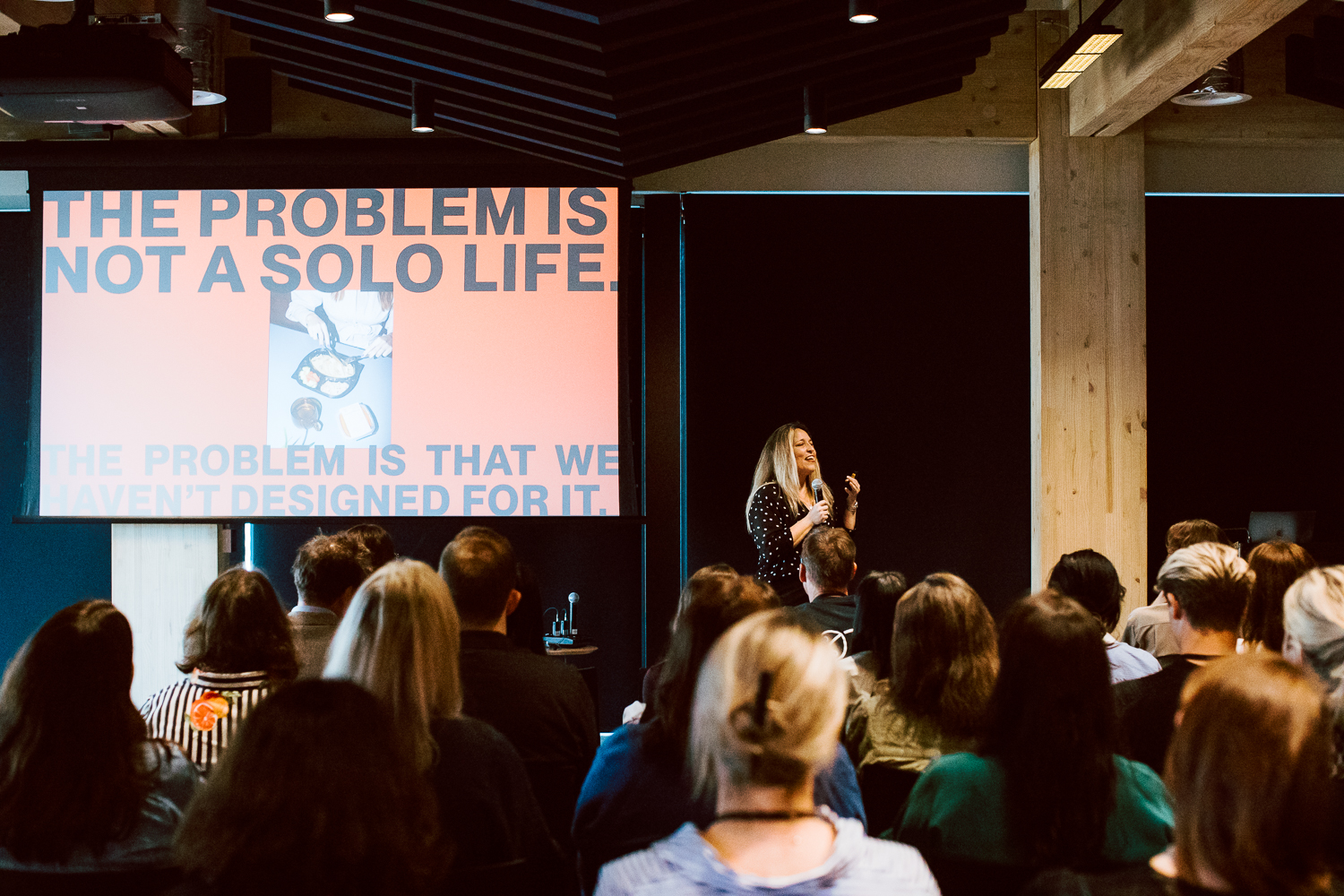
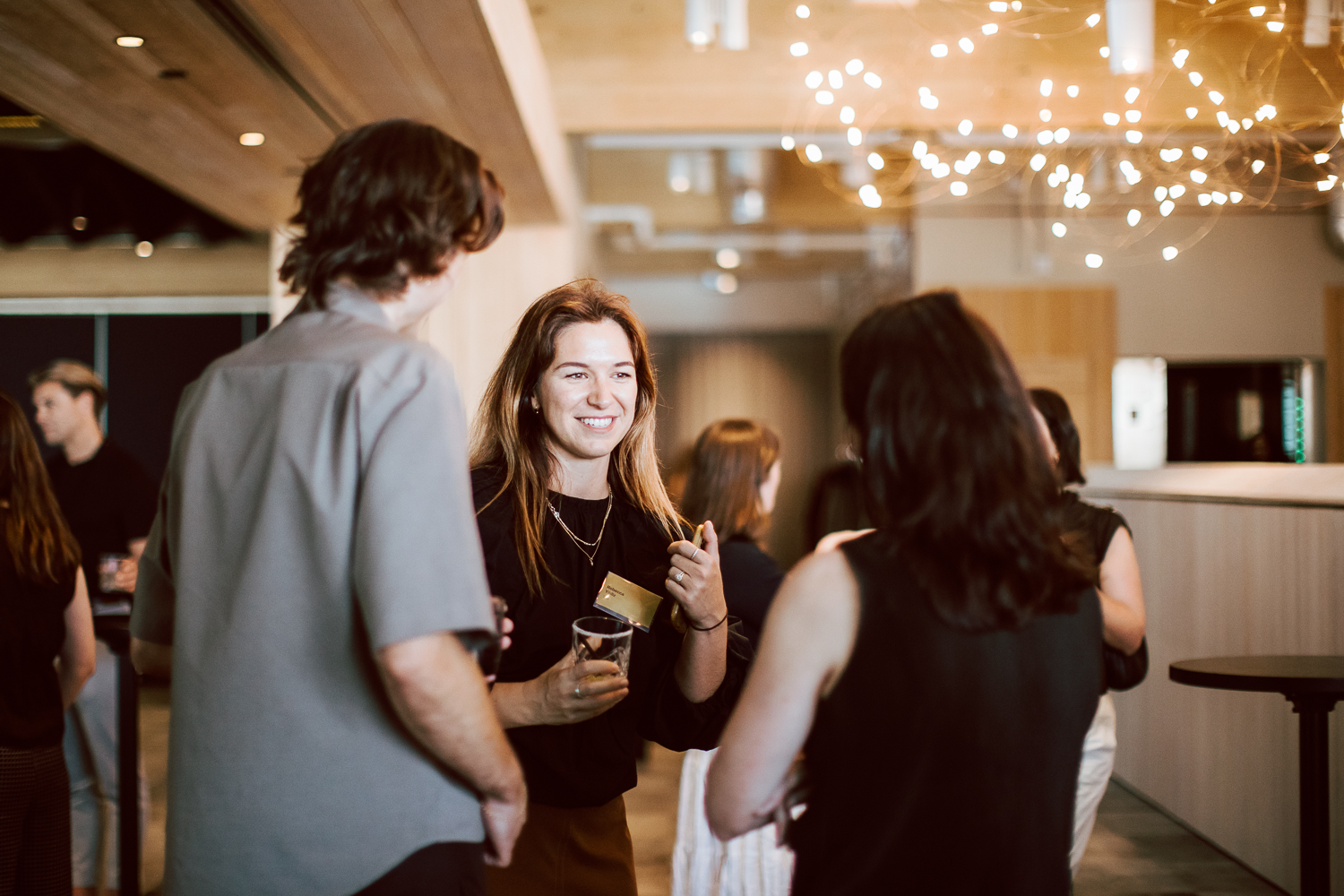
With the wet weather holding off, we gathered overlooking the stunning Waitematā Harbour at Pipiri Llane. With bubbles, beers and margaritas in hand, it was the perfect setting to connect as we start to head into the silly season. Shaun, Managing Partner and MC set things in motion before handing over to our keynote speaker Adele Millin, Group Business Director and self-professed Solo.
Adele explained that just 6% of Solos are actively looking for a partner, while more than one-third actively choose to be single and want to keep it that way.
There's also a perception gap. While many Solos regard autonomy as an advantage, 61% believe society sees single people as lonely. In reality, only 44% of people in relationships associate being single with loneliness.
Perhaps that's not surprising when so many cultural narratives still reduce Solo people to familiar stereotypes – the lonely spinster, the bachelor playboy or the man-eater. From Bridget Jones to James Bond and Samantha Jones, these tropes have long shaped how Solo life is portrayed.
These assumptions don’t just show up in popular culture; they’re reflected in advertising that continues to put couples and families at the centre. When Solo people are consistently left out of the picture, brands risk reinforcing the idea that being single is a temporary stage, rather than a valid and often chosen way of life.
But the opportunity for brands goes beyond representation in advertising. It's also about the way products, pricing and services are designed. From home loans built around couples and joint households, to family-sized products that overlook single-person needs, everyday experiences can leave Solos paying more and getting less.
Brands can do better. Adele's message to marketers was simple: know them, represent them and design for them. Return to the basics – better understanding creates relevance. Better representation creates connection. Better design creates reasons to choose your brand.
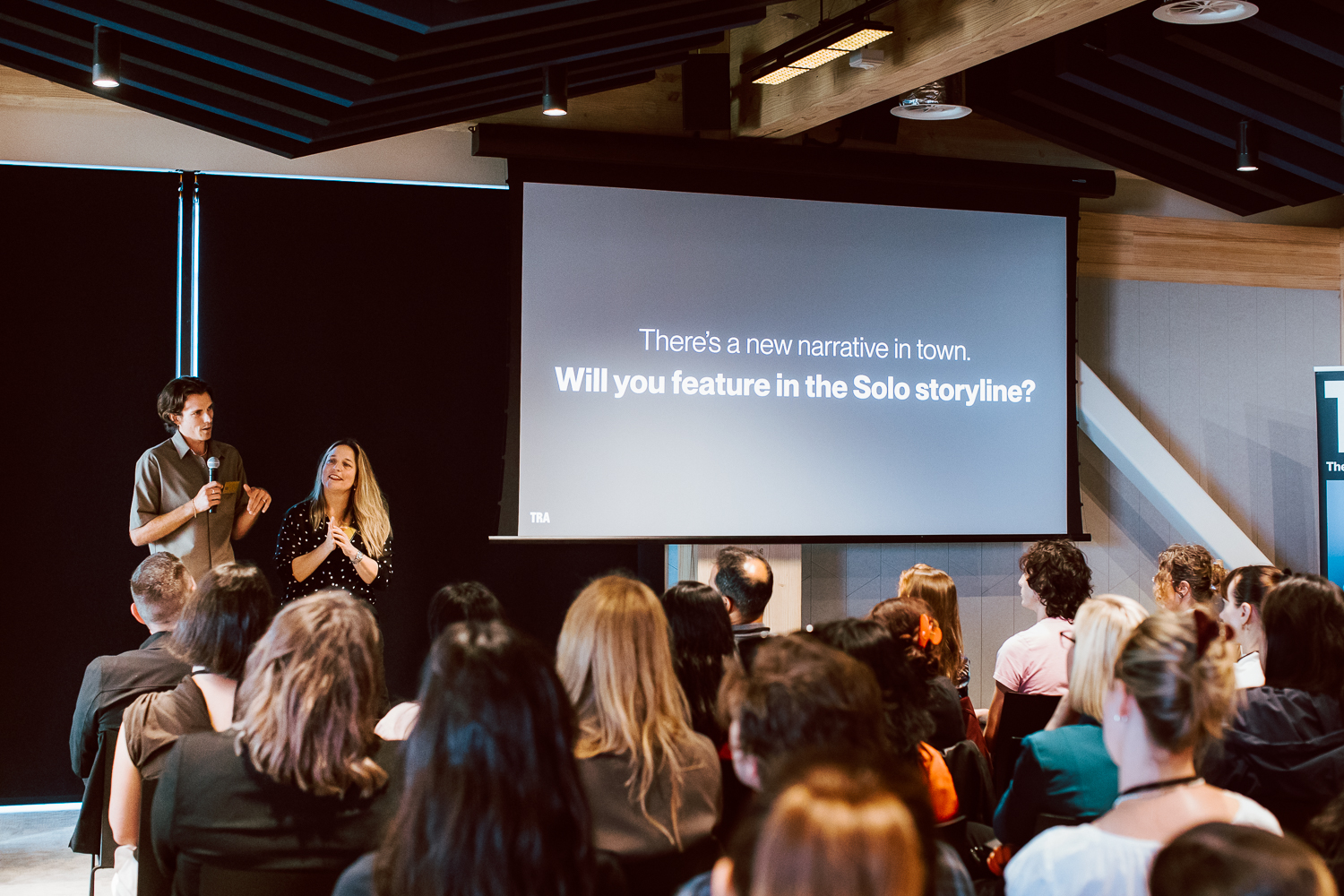
Following the presentation, Daniel Talbot, Group Business Director and Innovation Lead, and one of the brains behind the study, joined Adele to answer some of the audience's burning questions.
And, in true Solo style, we finished with a little self-indulgence. Four lucky attendees discovered golden tickets tucked beneath their seats, winning a voucher of their choice to treat themselves.
A huge thank you to everyone who joined us in Auckland and helped make our final event of the year such a great one!

ABOUT THE SPEAKERS