
New Zealand’s top 5 favourite ads show that humour isn’t just entertaining – it’s a powerful driver of attention, memory, and brand impact.
New Zealand’s top 5 favourite ads show that humour isn’t just entertaining – it’s a powerful driver of attention, memory, and brand impact.
The best ads in New Zealand right now have one clear common thread: humour.
We regularly survey a nationally representative sample of New Zealanders, asking a simple, unprompted question: “What is your favourite ad on TV at the moment?”
The responses reveal more than just what people like – they show which TV ads are cutting through, and why.
Effective ads capture attention, reward the viewer, and are remembered. These principles underpin our Creative Edge framework. In this year’s Favourite Ads in New Zealand, one theme stands out: humour.
From playful storytelling to character-led comedy and light, relatable moments, every ad in the top five uses humour in some form. It’s not incidental – it’s central to how these ads engage audiences, make an impression, and stay front of mind in today’s cultural landscape.
Taking a comedic approach can be risky. But when used well, humour is an incredibly effective way to capture attention and make messages more memorable, particularly when paired with long-standing characters and a distinctive brand world – a pattern that shows up consistently across this year’s top-performing ads.
Across New Zealand’s Favourite Ads, humour isn’t just present – it’s doing much of the heavy lifting. It’s consistently called out by audiences, and in a world where attention is increasingly hard to earn, it helps ads do just that.
It goes beyond entertainment. It gives people something to talk about and remember. The result is an ad that doesn’t just land in the moment, but stays with people long after they see it on TV.
Audiences consistently recognised the top five ads as tapping into a distinctly Kiwi sense of humour – one of the most enduring and important Kiwi Codes.
It shows up in everyday, relatable moments, character-led storytelling, and a sense of play that feels inclusive rather than at anyone’s expense.
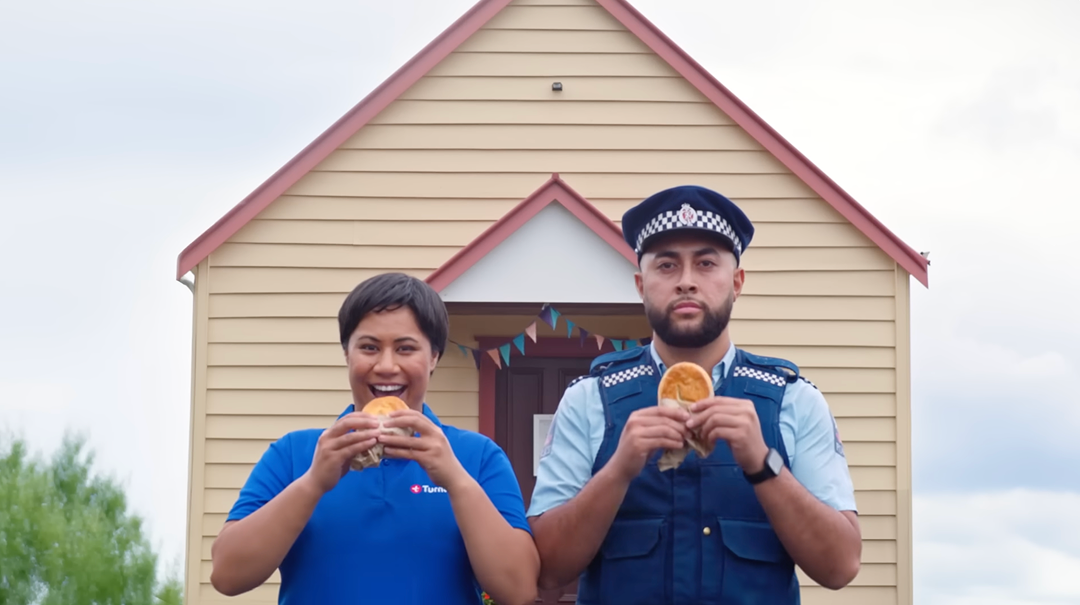
“Tina’s Road trip” from Turners is a strong example. The humour is grounded in culturally familiar cues, brought to life through a playful, catchy tune. Combined with the long-running character of Tina and consistent brand codes throughout, it creates something that feels both entertaining and personally relevant, while remaining clearly linked to the brand.
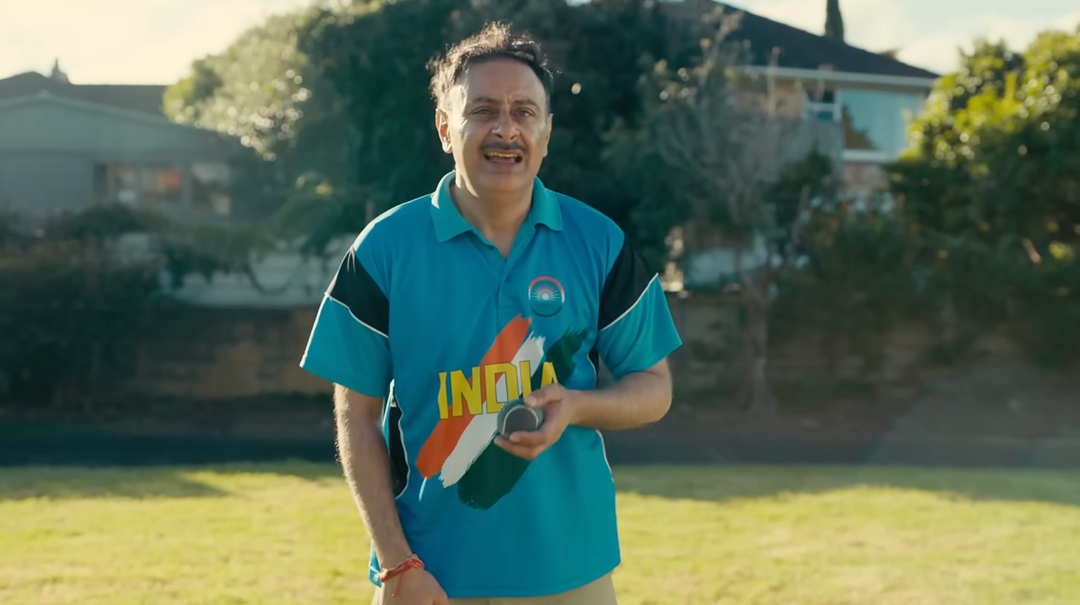
ANZ’s latest “Cricket” execution takes a more grounded approach. A simple scene of neighbourhood cricket, brought to life by familiar characters, captures the kinds of everyday interactions that feel joyful and recognisable to many New Zealanders.
What unites these ads is not just that they’re funny, but that they feel culturally in tune. The humour lands because it reflects how New Zealanders see themselves, and the kinds of stories they enjoy.
Humour carries the message, and branding makes it stick.
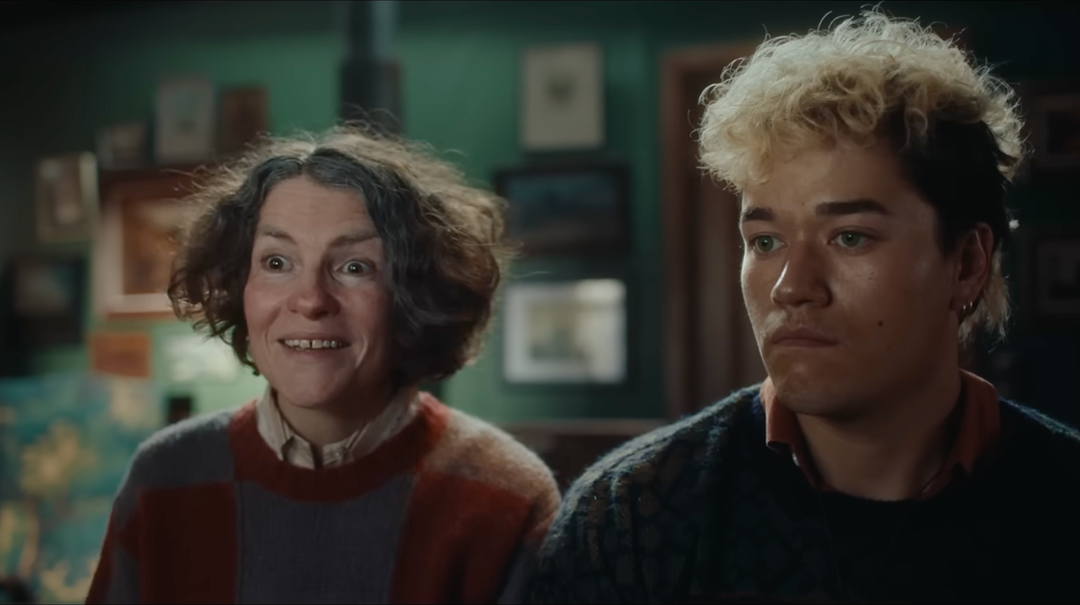
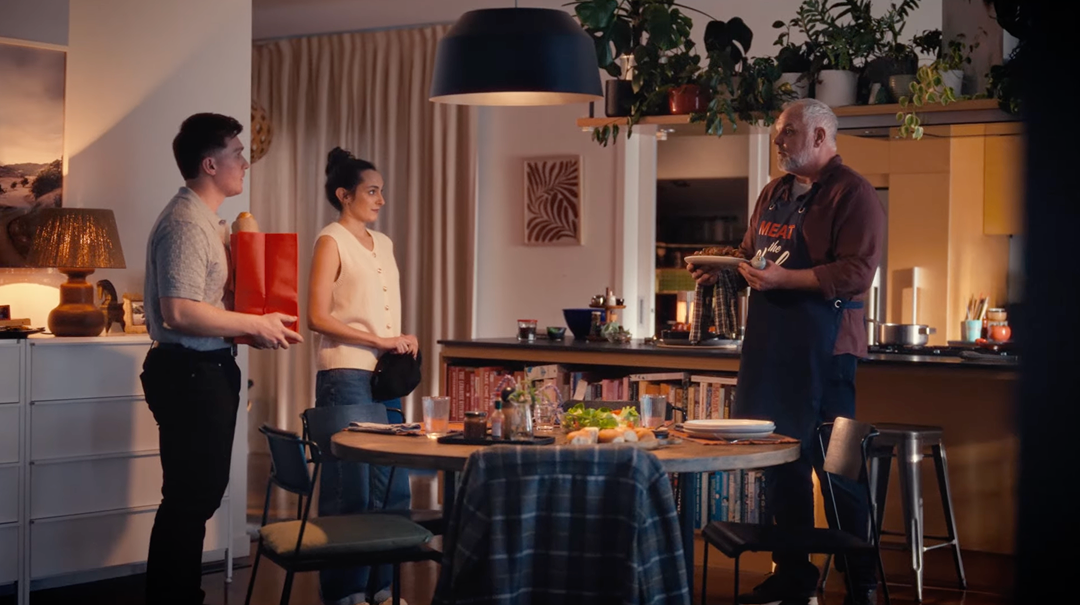
The most effective examples of this integrate comedy directly into the brand and product story. New entrant to this year’s top five, New World’s “Meat the Parents” does just that. In a list typically dominated by long-running platforms, its presence stands out – showing that new creative can still cut through when it combines strong storytelling with clear brand cues.
The campaign weaves product and branding seamlessly into a heartwarming family narrative. Beyond its relatable humour, audiences consistently recognised it as New World, reflecting strong brand attribution with distinctive cues – from the hat to the bags to in-store touches – making this ad both enjoyable and easy to remember.
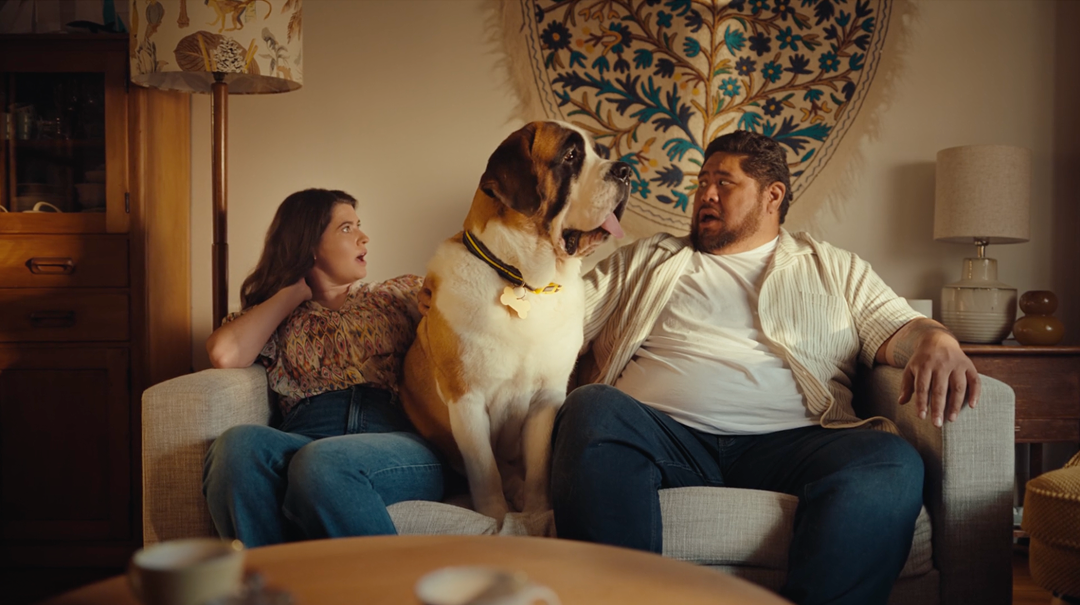
One NZ’s “Satellite Calling with WhatsApp” execution shows how humour can also support more functional messaging. While the product benefit is clearly communicated, it’s delivered through the same quirky, entertaining brand world audiences already recognise. The result is a message that is both engaging and memorable.
The team at One NZ, Georgia Mahaffie, Kam Kazalbash and Suz Winger said:
"We spent a lot of time looking at how really successfulbrands grow, the stories they tell, how they make people feel and how they show up over time. Connectionis at the heart of what One NZ does, so it’s great for us internally, for ourteams, for our customers and of course it gives us a rich creative territory toplay in. By creating a range of characters, including one who is a One NZ employee, it’s allowed us to develop their traits and use them for different parts of the campaign, like Mum and Dad in our Satellite calling campaign or Pepper showing up in our retail stores. Because of the way we’ve designed it, the whole Brand and Marketing team are involved with the campaign, so this really is a testament to the whole team."
Across these ad platforms, humour doesn’t distract from the message – it strengthens it. The best ads don’t treat comedy as an add-on, but as a vehicle for meaning, helping brands communicate more clearly while leaving a lasting impression.
Humour on its own can capture attention. But when it’s used consistently over time, it becomes far more powerful.
Across New Zealand’s Favourite Ads, many of the strongest performers aren’t one-off executions, but part of long-running platforms. Characters like Tina from Turners, ASB’s Ben and Amy, and ANZ’s Sharma family have been built over time – creating a sense of familiarity that makes each new ad easier to recognise and engage with.
This is where humour starts to compound. The audience already understands the world, the tone, and the characters. Familiarity reduces the cognitive effort required to process the ad, meaning the humour lands more quickly and with greater impact. Rather than wearing out, these campaigns wear in – becoming more effective as they build memory and strengthen brand associations.
This work not only generates attention in the moment but contributes to long-term brand building. Consistency ensures that humourisn’t fleeting – it becomes something audiences return to, recognise, and remember.
The role of humour in advertising isn’t static – it reflects the culture around it. In New Zealand, there is a growing appetite for playfulness, alongside a clearer sense of where the line is. Audiences are more aware, and less tolerant of humour that feels out of step or at someone’s expense. Instead, the work that resonates is inclusive, self-aware, and grounded in shared experiences.
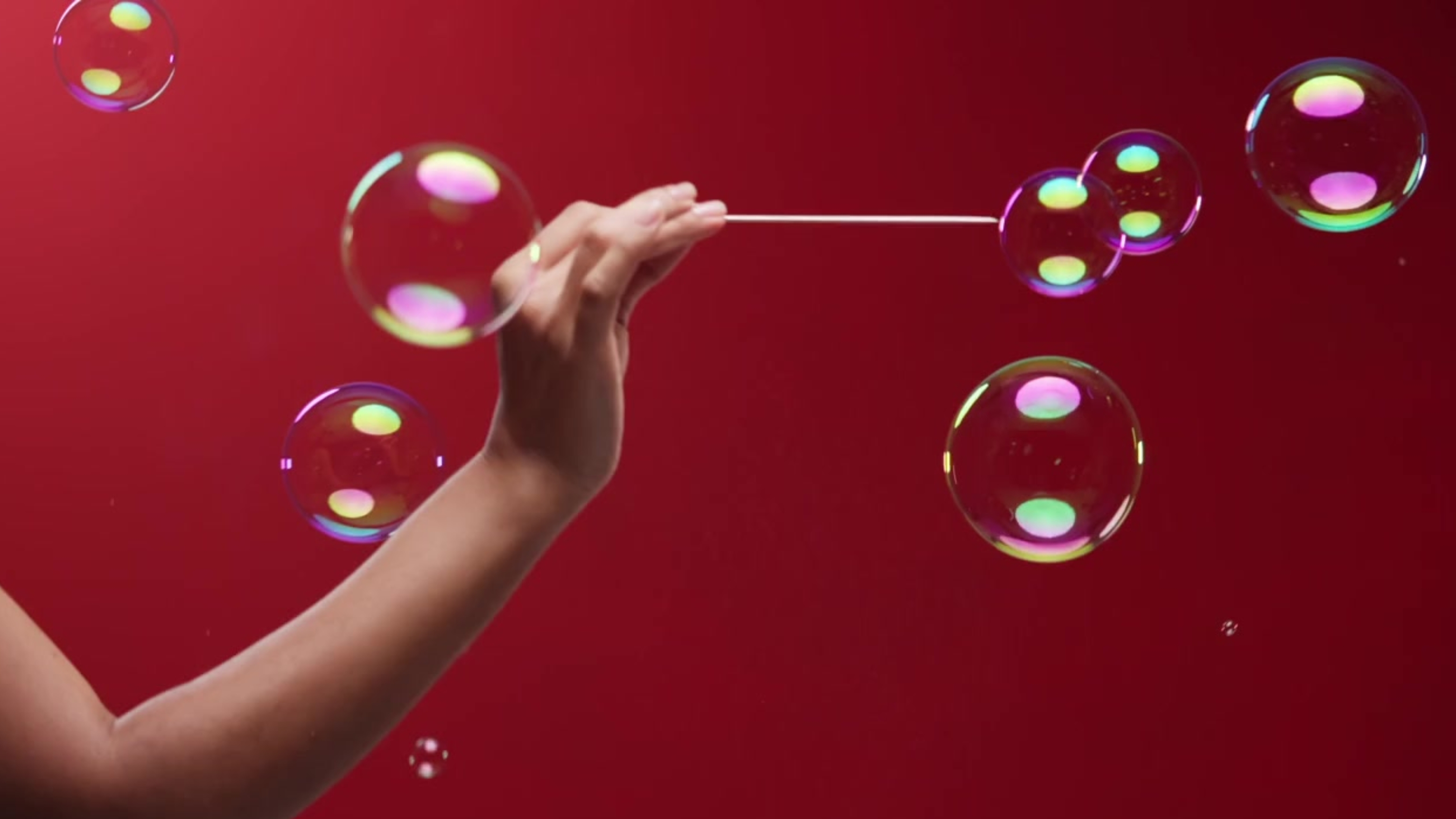
This aligns with TRA’s recent research on Play, which shows that brands have greater permission than ever to be playful – and are rewarded when they are.
There’s no single formula for effective advertising. But in New Zealand, humour consistently stands out as a driver of success. Not as a gimmick, but as a craft – one that reflects culture, encourages audience engagement, and strengthens brand recall over time.
The most effective ads don’t just make people laugh. They use humour to tell stories and create content that people want to share and return to. When done well, that’s what turns a good ad into a favourite.
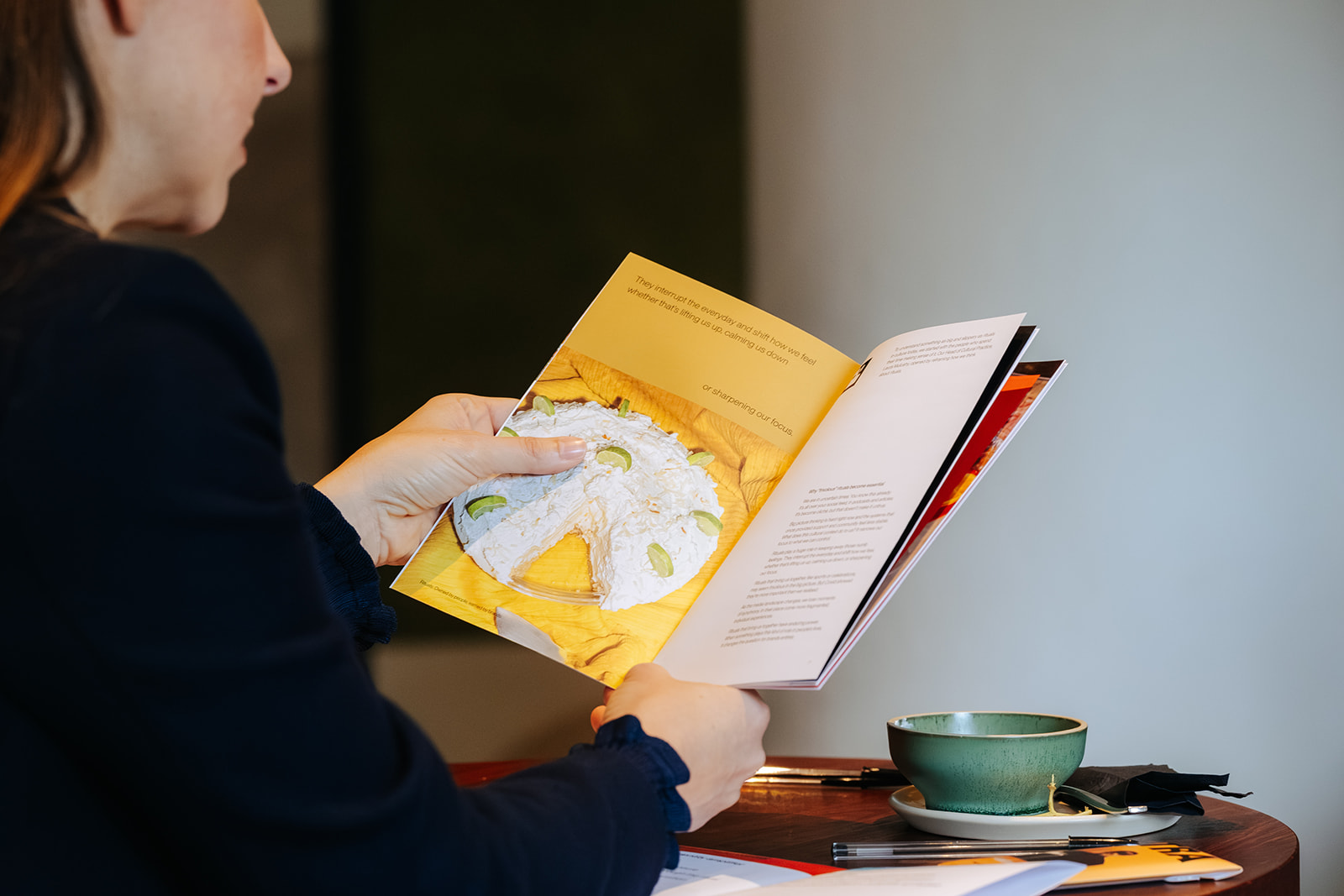
Curious what’s actually driving effective advertising? Explore our Creative Edge framework.
If you’re looking to understand how your campaigns are driving impact over time, get in touch to learn more about our brand tracking program.
The Summer 2026 Favourite Ads Study was conducted in February and March 2026 across Australia (N=1,600) and New Zealand (N=1,000). The Research Agency thanks panel partner, Dynata, for their support of this study.
Humour plays a powerful role in effective advertising because it captures attention, makes ads more memorable, and increases audience engagement and talkability.
When used well, humour strengthens both brand recall and emotional connection over time.
In New Zealand, playfulness can also help lower resistance, making more complex or sensitive topics easier to absorb. This is explored further in TRA's research on Play – read the report here.
Consistency is critical for building memory over time.
When brands use recognisable assets – such as characters, music, or visual style – across multiple executions, it becomes easier for audiences to identify and remember them. This consistency across the ad platform strengthens brand linkage and increases the long-term impact of creative.
To understand if advertising is landing as intended, it’s important to look beyond surface-level metrics and consider whether the creative is driving impact over time.
This means looking at how people respond to the campaign – whether they notice it, remember it, and correctly link it to the brand – as well as how it performs against business objectives. Does it shift perceptions, change behaviour, or help drive sales?
Measurement frameworks are most powerful when applied across the full campaign lifecycle. Early testing can identify ideas likely to earn attention; pre-launch analysis can highlight attribution risks while there's still time to act; and post-campaign measurement helps build a stronger brief for what comes next.
When integrated into a continuous brand tracking program, this provides a clear picture of how advertising is contributing to longer-term brand growth.

.png)





.jpg)


_11zon.jpg)

%20(1)_11zon.jpg)


.jpg)

.jpg)
edited.jpeg)