New Zealand’s latest favourite ads reveal how ongoing storytelling, familiar characters and distinctive creative platforms keep audiences engaged and brands memorable.
New Zealand’s latest favourite ads reveal how ongoing storytelling, familiar characters and distinctive creative platforms keep audiences engaged and brands memorable.

The best stories often leave us wanting more. And judging by Aotearoa New Zealand’s latest favourite ads, that holds true for advertising too.
Three of the top five ads in New Zealand have remained favourites across consecutive waves of The Research Agency’s (TRA) Favourite Ads research. One NZ, ANZ and ASB have all invested in ongoing stories and familiar characters, giving audiences something to recognise, connect with and return to.
Meanwhile, newcomers Kiwibank and 2degrees are taking a different approach, introducing distinctive animated characters that bring personality to their brands.
They make a case for thinking beyond the individual ad – sometimes the most valuable creative idea isn’t one that makes an impression once but gives you something to build on.
So, what is it about these ads that keeps audiences engaged? What can brands learn from the stories and characters New Zealanders have come to know and love?
Being a favourite doesn't necessarily make an ad effective b. But the qualities that make advertising enjoyable can also help make it work.
At The Research Agency (TRA), we use our Creative Edge framework to evaluate creative quality through three key measures:
These measures help us understand what makes creative stand out, connect with audiences and build brand associations.
This wave’s top five offers an interesting lesson about the relationship between familiarity, storytelling and the value of sticking with a good creative idea.
A story that unfolds over time carries an ability to engage and retain investment. We get to know characters and follow their journeys. Favourite Ads winner, One NZ, takes that idea and runs with it.
Its “Let’s Get Connected” series follows a young man’s quest to find his parents, with each instalment revealing another piece of the story. In its third chapter, the campaign continues to combine humour, intrigue and suspense, keeping audiences invested in an unfolding narrative. New Zealanders are clearly along for the ride.
In TRA’s Creative Edge evaluation, 37% described the latest execution as having a great story, compared with a norm of 17%. Meanwhile, 61% felt there weren’t many ads like it, suggesting the ongoing narrative is helping the creative stand apart.
The qualitative feedback is particularly telling. Respondents described being invested in the characters, enjoying the humour and wanting to know what happens next. One respondent said:
“I like the storylines from the One NZ ads. It's been fun following the journey of the guy trying to find his mum and dad… Their humour is the best thing about the ad.”
This suggests an interesting opportunity for brands. Rather than treating every execution as a self-contained message, One NZ has created something audiences can follow. The story becomes a reason to pay attention, while each new chapter offers another opportunity to build a stronger emotional connection.
One NZ isn’t alone here. ANZ and ASB have also built creative platforms around characters audiences have spent time getting to know.
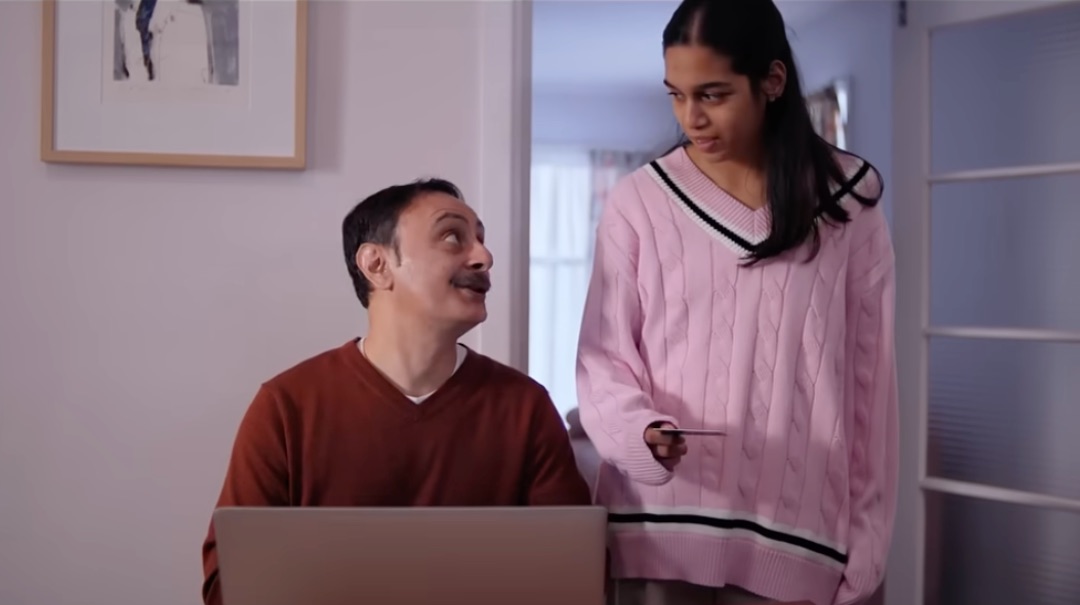
ANZ’s Sharma Family series draws on familiar family dynamics, humour and the everyday interactions that make its characters relatable. Its latest “Nunya” execution was particularly well received, with 51% finding it funny, compared with a TRA norm of 15%. It also achieved a Remembered score of 72 (versus TRA norm of 57).
There’s a notable familiarity to the world ANZ has created, but enough variety in the situation to keep audiences interested.
ASB’s Ben and Amy series offers another example. Audiences have followed the couple through life’s milestones, from buying their first home to adopting their furry family member.
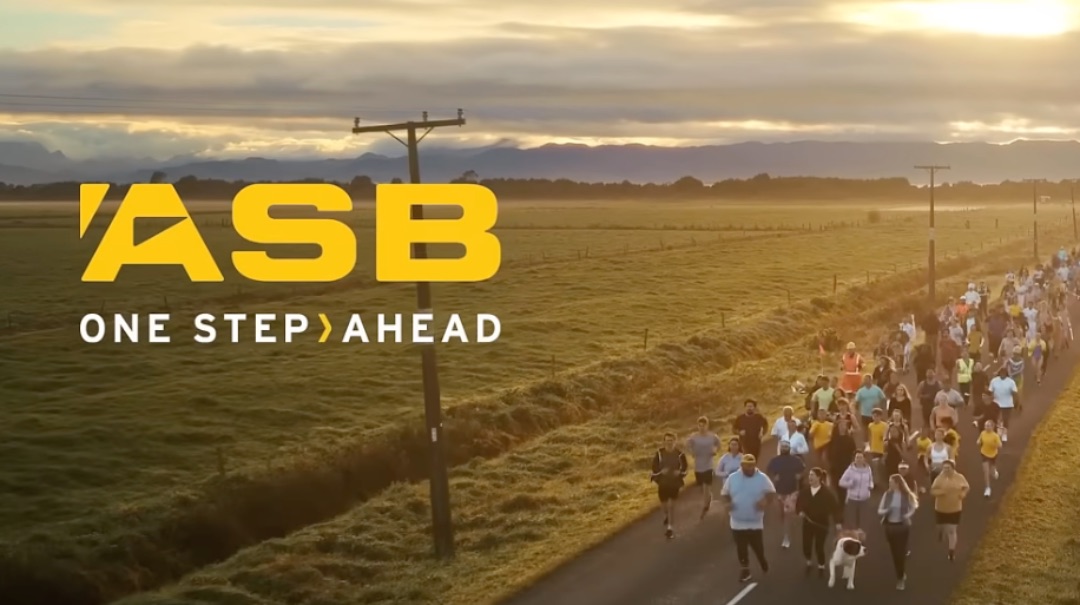
The latest execution takes a different direction, highlighting ASB’s partnership with Athletics New Zealand through an uplifting story that audiences found meaningful. Rather than simply announcing a sponsorship, ASB uses a heartwarming, community story to bring the partnership to life.
What’s interesting about both campaigns is that familiarity doesn’t feel repetitive. The continued presence of ANZ and ASB in the top five suggests audiences remain receptive to their established creative platforms. The characters provide continuity while new stories offer fresh reasons to engage.
Not every brand needs an unfolding family saga to create something memorable. Two new entrants in this wave’s top five offer a different route to capturing attention and building recognition.
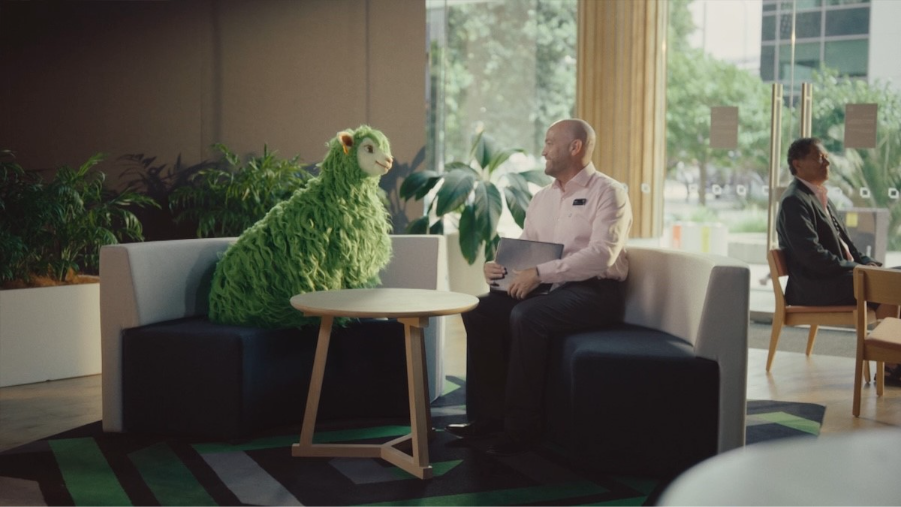
Kiwibank has made an impressive entrance with “Buck the System”, introducing Buck, a green animated sheep with plenty of personality. In a category often characterised by stories of families, young couples and life milestones – an animated sheep is a refreshing change of pace.
And Buck is more than a quirky creative choice. The character brings Kiwibank’s challenger positioning to life, reinforcing its ambition to challenge the established banking system.
Respondents also resonated with the ad’s cultural touchpoints, with one participant saying: “It’s an eye-catching ad and entertaining. Tells you that they are the bank for everyday Kiwis. The green sheep makes you smile and it feels like a NZ ad for NZ people.”
This distinctive campaign achieved a Remembered score of 75 against a norm of 57, with 98% saying it was somewhat or really easy to remember this ad was from Kiwibank.
Meanwhile, 2degrees has introduced its own unlikely character: the chameleon. Paired with a catchy soundtrack and vibrant animation, the creative brings a sense of playfulness to telecommunications advertising while reinforcing the brand’s identity.
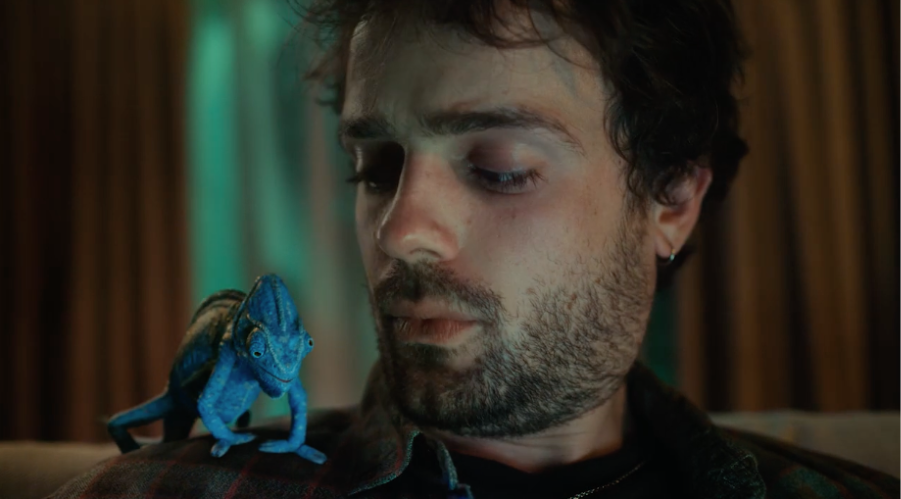
Both ads show how characters can do more than entertain. They can give a brand a recognisable personality, embody its positioning and create distinctive assets to build on over time.
The clearest lesson from New Zealand’s latest top five may be that good creative doesn’t need to be reinvented every time.
One NZ, ANZ and ASB show the value of investing in familiar characters and stories, while newcomers Kiwibank and 2degrees demonstrate how distinctive creative identities can begin to take shape, capture attention and deliver strong brand attribution.
The common thread in New Zealand’s favourite ads isn’t only storytelling or character development. It’s the potential to build something that lasts beyond a single execution.
Could Buck the Sheep and the 2degrees chameleon become the next familiar faces we look forward to seeing? Time will tell.
A great ad can capture attention in the moment. But a great creative platform gives people something to look forward to next.
Is your advertising making an impression and building your brand?
Check out this wave's top five favourite ads, or download the free Insights Guide to learn more about the Creative Edge framework and what makes an ad stand out.
If you’re looking to understand how your campaigns are driving impact over time, get in touch to learn more about The Research Agency’s brand tracking program.
Emotion helps create stronger memory structures and deeper brand associations. Ads that evoke feeling – whether through storytelling, music, or relatable moments – are more likely to be remembered and linked back to the brand over time.
Consistency is critical for building memory over time. When brands use recognisable assets – such as characters, music, or visual style – across multiple executions, it becomes easier for audiences to identify and remember them. This consistency across the ad platform strengthens brand linkage and increases the long-term impact of creative.
At The Research Agency (TRA), we measure the effectiveness of advertising using the Creative Edge framework.
To understand if advertising is landing as intended, it’s important to look beyond surface-level metrics and consider whether the creative is driving impact over time.
This means looking at how people respond to the campaign – whether they notice it, remember it, and correctly link it to the brand – as well as how it performs against business objectives. Does it shift perceptions, change behaviour, or help drive sales?
Measurement frameworks are most powerful when applied across the full campaign lifecycle. Early testing can identify ideas likely to earn attention; pre-launch analysis can highlight attribution risks while there's still time to act; and post-campaign measurement helps build a stronger brief for what comes next.
When integrated into a continuous brand tracking program, this provides a clear picture of how advertising is contributing to longer-term brand growth.