

When everything feels uncertain, people don’t wait for stability. They build it.
This isn’t a neat moment where one chapter ends, and another begins. It’s an ongoing state of instability. The structures that once held life in place have loosened, and nothing convincing has stepped in to replace them. Across Aotearoa New Zealand and Australia, what once gave shape and certainty now feels harder to rely on, while the expectation to keep going hasn’t softened.
In a fast-changing world, people steady themselves differently.
For brands, rituals matter because they are not passive or empty moments. They are emotionally loaded spaces tied to identity, connection and stability. Entering these moments requires a different role from brands – one built on relevance, consistency and meaning rather than interruption.
In collaboration with Dynata, we studied over 2,000 people across Australia and Aotearoa New Zealand to understand how people feel about rituals and the role brands play within them.
Rituals: Owned by people, earned by brands.
We found that people make a deliberate effort to create rhythm and a sense of control within lives that don’t always offer either.
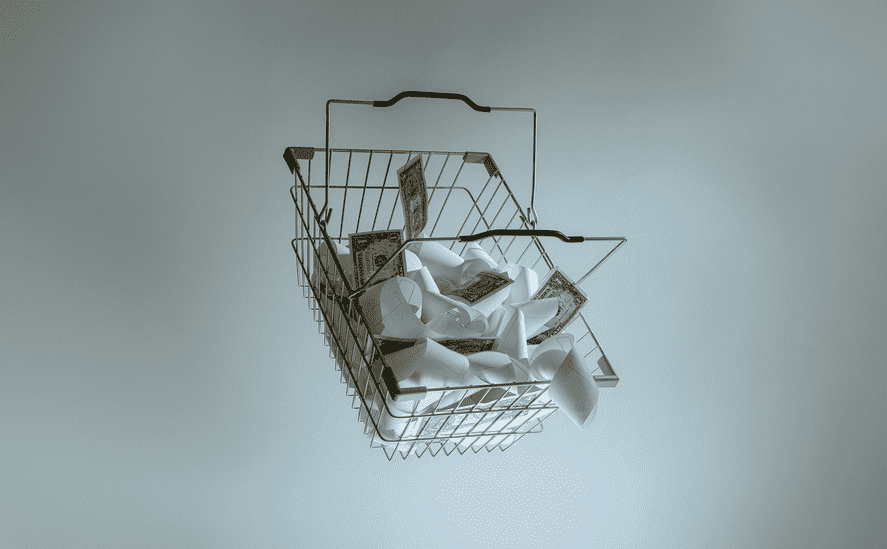
Across the data, people describe life as more expensive, more effortful and harder to plan than even a few years ago, with over half saying they think about money more often in their day-to-day decisions. At the same time, work continues to shift, technology continues to move, and the sense that stability exists somewhere outside of yourself feels further out of reach.
People are building it from the inside. Not necessarily through dramatic reinvention, but through repeated moments carry meaning and create continuity.
Moments that help people regulate emotion, reinforce identity, and create a sense of steadiness within lives that increasingly feel in flux.
This is where rituals begin.
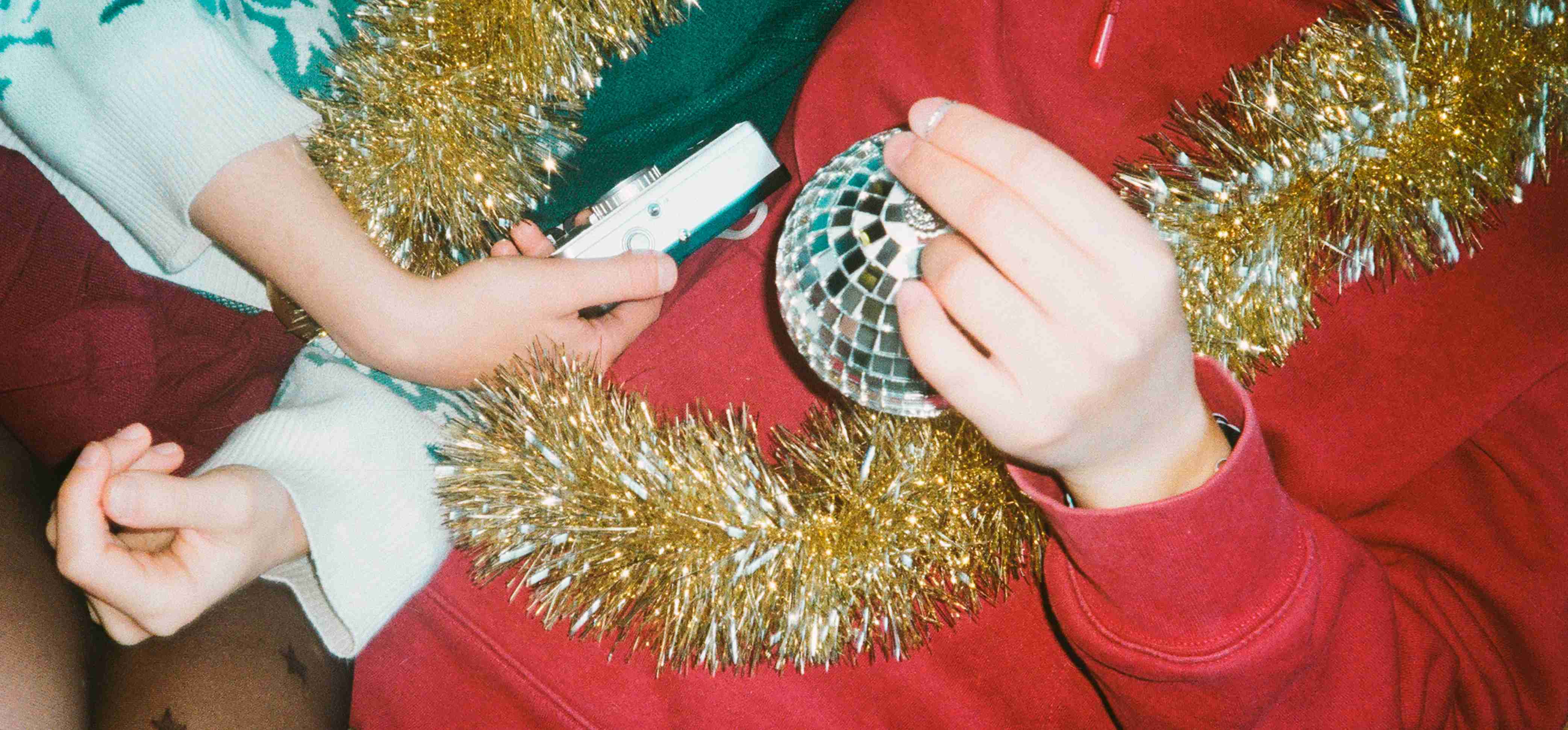
They’re easy to overlook because they look familiar. A coffee in the morning. A walk at the end of the day. Watching rugby with friends every weekend. Friday night takeaways. Christmas lunch. The same campsite every summer. Some rituals are quiet and daily, others are social, seasonal or tied to identity and life stage.
The behaviour may be simple, but the meaning can be different for everyone.
Behaviour shows you what’s happening, but it doesn’t tell you what that moment is doing – that difference is where the insight lives.
That same coffee can be something you rush through, or something you savour. It can mark the start of the day or create a pause before it begins. It can be about control, or comfort, or identity, or a small act of choosing yourself.
Rituals carry intention, meaning and often a social or emotional role, even when practiced alone. They are recognised, repeated and, in many cases, protected. They become part of the scaffolding people build around themselves when the world no longer provides it.
A ritual is not a niche behaviour. Around 77% of Australians and 80% of New Zealanders report having rituals in their lives, and their importance is growing. In Australia, over half say rituals matter more to them now than they used to, while nearly half of New Zealanders say the same. Looking ahead, 55% of Australians and 49% of New Zealanders believe that rituals will become even more important in future.
People are creating more rituals and placing more importance on them, with that importance only expected to grow. This is especially strong among those aged 25 to 34, who are building these moments more consciously than generations before them.
What matters is less about what people are doing, and more about what those moments mean for them.
Rituals form a system across time. Daily rituals create readiness. Weekly rituals bring connection. Seasonal and life-stage rituals help people mark transition, identity and belonging.
Time gives them structure, but meaning is what gives them weight.
Together, they become personal infrastructure – a way of holding continuity when everything else feels like it’s shifting.
There are subtle differences in how this shows up across markets. In Australia, there is a stronger forward momentum, with people more likely to say rituals are increasing in importance and more open to brands playing a role within them. In Aotearoa New Zealand, there is a stronger pull toward connection and shared experience, particularly in weekly rituals where time with others carries more meaning.
The same ritual can’t be assumed to carry the same role across different people, contexts or life stages.
For brands, this changes the rules.
People are not moving through empty space waiting for something to fill it. Their lives are already shaped by moments that hold purpose and meaning. So, when a brand shows up, it is stepping into something that already matters.
Permission exists, but it isn’t freely given.
People are open to brands that support what the ritual is already doing. That might mean making it easier, helping personalise it, or simply being present in a way that feels consistent and familiar. The further a brand moves toward trying to define, control or interrupt the moment, the more resistance appears.
In Australia, around 59% are open to brands that show up consistently or help personalise the experience, and just over half are open when brands make the moment easier. The pattern is similar in Aotearoa New Zealand –, slightly lower in intensity but following the same logic.
Rituals are protected because they carry meaning. They do important emotional work.
If something disrupts that moment, it gets pushed out. If it aligns with what that moment is already doing, it can be let in.
This moves brands away from interruption and toward participation. It raises the bar. Consistency matters more than novelty ever will. Supporting the meaning of the moment matters more than simply appearing within the behaviour itself.
Rituals repeat, and over time that repetition creates familiarity, memory and emotional weight.
They become part of identity, something people return to without needing to think about it consciously. For a brand to become part of that, it needs to show up in ways that are recognisable and reliable – not just present for one moment and gone the next.
People are building their own stability. Actively creating, shaping and protecting the structures that allow them to move through life.
That’s where rituals live.
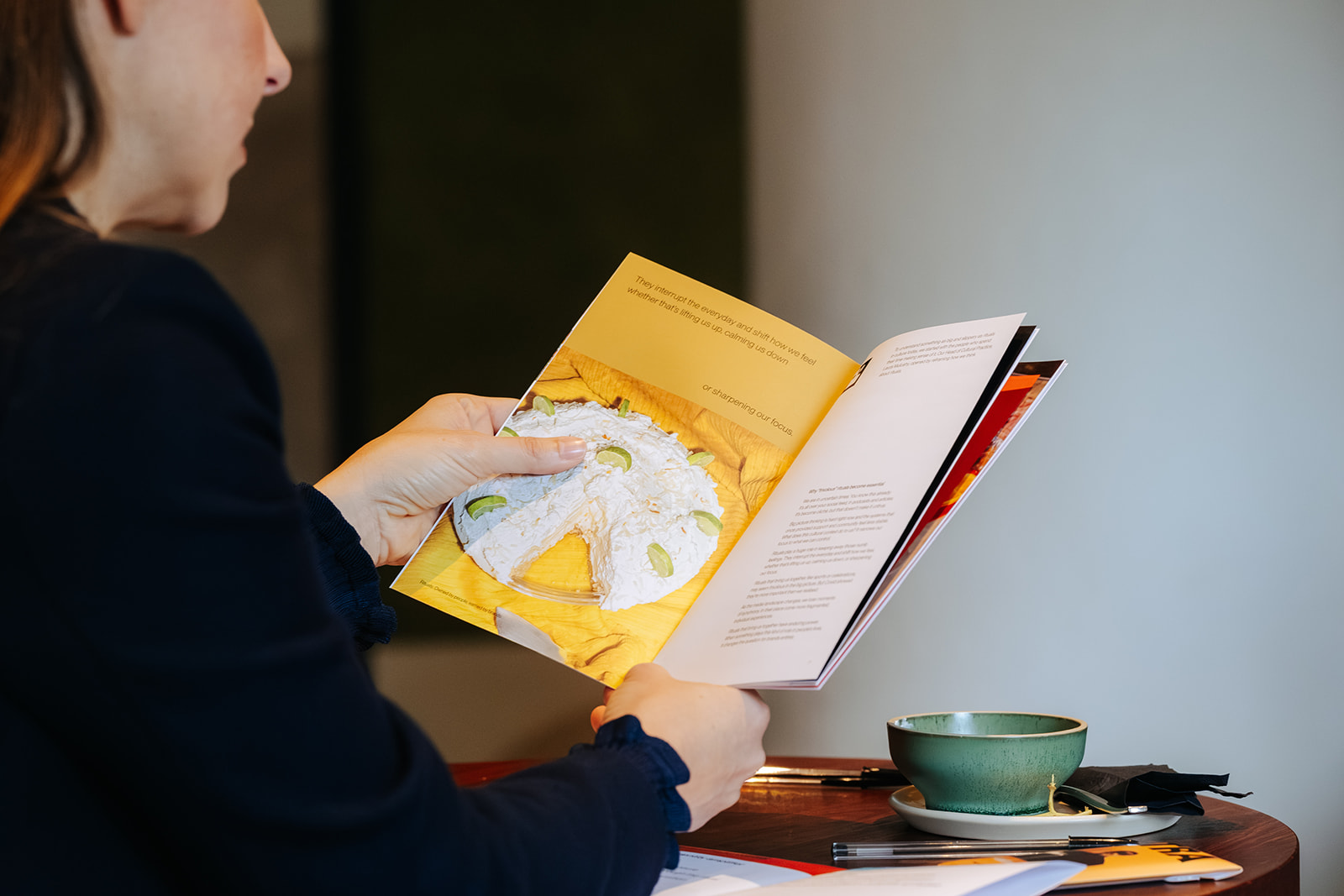
If you’re curious about how these moments take shape, what they do, and where brands are – and have been – invited in, the full report goes deeper. Rituals: Owned by people, earned by brands.


.jpg)
_11zon.jpg)

%20(1)_11zon.jpg)


.jpg)
.jpg)
edited.jpeg)